
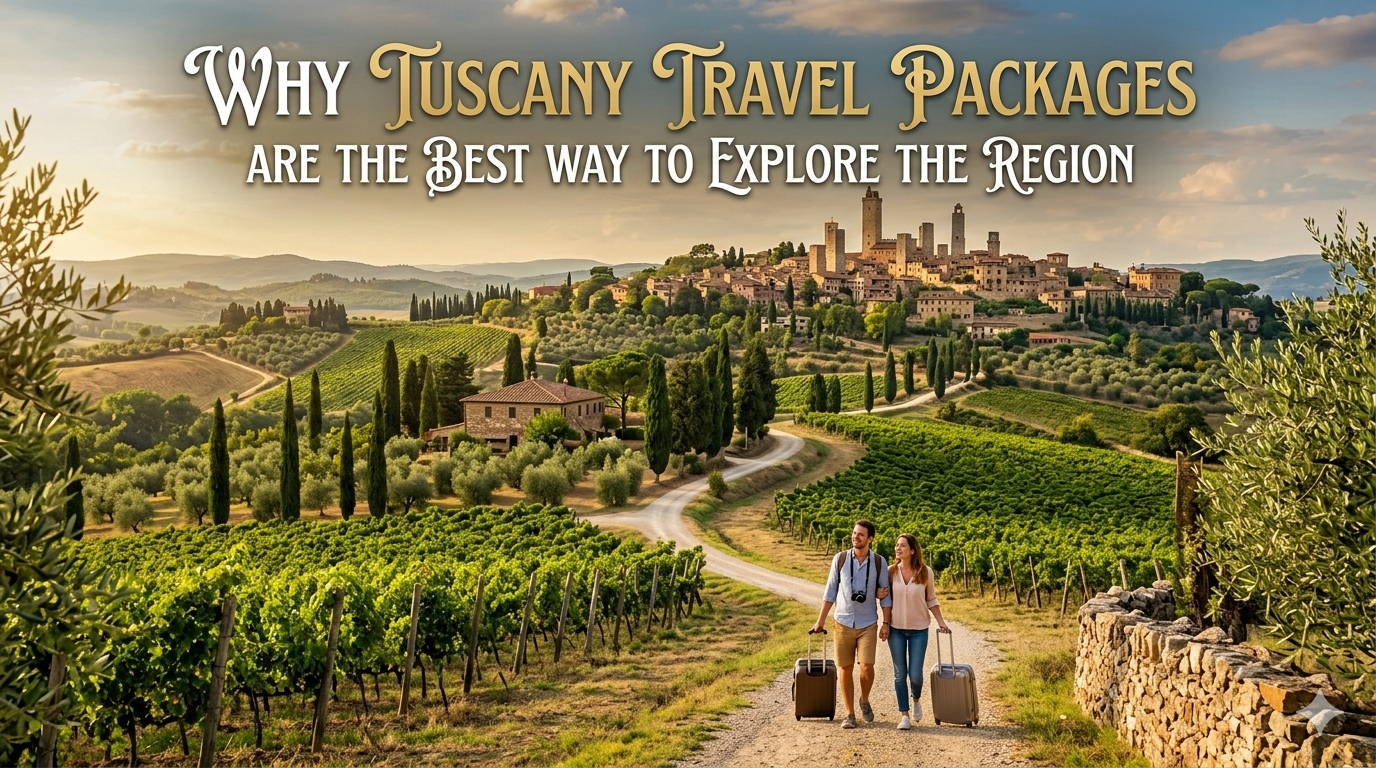
When most travellers think of Tuscany, they imagine the famous vineyards of Chianti or the prestigious estates of Montalcino. While these iconic destinations deserve their reputation, the region is also home to dozens of small, family-run wineries tucked away in rolling hills, medieval villages, and quiet country roads. These hidden wineries offer a more personal and authentic experience—one that many visitors miss when following the usual tourist routes.
A private wine tour Tuscany allows you to step beyond the well-known wine estates and discover boutique wineries where generations of winemakers continue centuries-old traditions. Instead of crowded tasting rooms, you'll meet passionate producers, walk through vineyards with the people who cultivate them, and enjoy wines that are often unavailable outside the region.
Whether you're a wine enthusiast or simply looking for a memorable way to experience Tuscany, these hidden wineries deserve a place on your itinerary.
Why Visit Hidden Wineries?
Large wineries often provide polished tasting experiences, but smaller estates reveal another side of Tuscany. Here, wine isn't simply a product—it's part of everyday life.
Many boutique wineries produce limited quantities, allowing them to focus on quality rather than volume. Visitors often have the opportunity to speak directly with the owners, learn about their vineyards, and taste wines paired with homemade olive oil, local cheeses, and traditional Tuscan dishes.
These intimate experiences create lasting memories that go beyond a standard wine tasting.
1. Montefioralle – A Small Winery in the Heart of Chianti
Nestled near Greve in Chianti, Montefioralle is one of the area's smallest family-owned wineries.
The vineyard sits among olive groves and medieval stone buildings, creating a peaceful setting far removed from busy tourist attractions. Guests can tour the vineyard with family members who explain how each harvest is managed before enjoying tastings overlooking the Tuscan hills.
Its small production means every bottle reflects careful craftsmanship.
2. Podere Il Casale – Wine, Cheese, and Organic Farming
Located near Pienza in Val d'Orcia, Podere Il Casale combines organic winemaking with sustainable farming.
Visitors can experience much more than wine tasting here. Fresh pecorino cheese is produced on-site, vegetables come directly from the gardens, and meals feature ingredients grown on the property.
This makes it an excellent stop for travellers seeking a complete Tuscan food and wine experience.
3. Colle Bereto – Boutique Chianti Classico
While Chianti is filled with famous wineries, Colle Bereto remains relatively quiet compared to larger estates.
The winery focuses on handcrafted Chianti Classico wines while maintaining a welcoming atmosphere. Tastings are relaxed, allowing visitors to explore the nuances of Sangiovese without feeling rushed.
Its panoramic vineyard views are equally unforgettable.
4. Tenuta di Trinoro – A Hidden Gem in Southern Tuscany
Far from the busiest wine routes lies Tenuta di Trinoro, situated in the remote Val d'Orcia countryside.
Known for producing exceptional Bordeaux-style blends, this estate demonstrates that Tuscany offers far more than traditional Sangiovese wines.
The surrounding landscape is equally spectacular, making the journey worthwhile for travellers seeking something different.
5. Fattoria di Lamole – Historic Vineyards Above Chianti
Lamole is one of Chianti's oldest wine-growing villages.
The vineyards here sit at higher elevations, creating cooler growing conditions that produce elegant wines with vibrant acidity.
Visitors enjoy peaceful tastings surrounded by ancient stone terraces that have shaped the landscape for centuries.
Why a Private Wine Tour Makes the Difference
Many hidden wineries require advance reservations and are difficult to reach using public transport. This is where a private tour Tuscany becomes invaluable.
Rather than following a fixed schedule, private tours offer flexibility to:
Visit wineries that aren't open to large tour groups.
Spend more time with local winemakers.
Enjoy scenic countryside drives between vineyards.
Include lunch at authentic Tuscan restaurants.
Combine wine tasting with historic villages and cultural attractions.
Personalised itineraries also allow travellers to explore wine regions based on their interests, whether that's Chianti Classico, Brunello di Montalcino, Vino Nobile di Montepulciano, or emerging boutique producers.
Hidden Wine Regions Worth Exploring
Val d'Orcia
Known for its UNESCO-listed landscapes, Val d'Orcia offers smaller wineries producing Brunello, Orcia DOC wines, and organic varieties. The combination of rolling hills, cypress-lined roads, and medieval villages creates one of Tuscany's most scenic wine destinations.
Montepulciano
While famous for Vino Nobile, many family-owned wineries remain overlooked by mainstream tourism. Visitors often enjoy private cellar tours followed by tastings overlooking vineyards.
Maremma
Located along Tuscany's southern coast, Maremma has become one of Italy's most exciting emerging wine regions. Innovative winemakers produce exceptional reds and whites while welcoming visitors into relaxed countryside estates.
Carmignano
One of Tuscany's oldest wine-producing areas, Carmignano remains surprisingly uncrowded despite its rich history. Small wineries here blend tradition with modern techniques to create distinctive wines.
Pair Wine with Local Cuisine
One of the greatest advantages of visiting hidden wineries is the opportunity to enjoy authentic Tuscan food alongside the wines.
Expect freshly baked bread drizzled with extra virgin olive oil, handmade pasta, wild boar ragù, pecorino cheese, cured meats, seasonal vegetables, and homemade desserts.
Many boutique wineries prepare meals using ingredients grown on their own farms, creating an authentic farm-to-table experience.
Tips for Planning Your Wine Tour
To make the most of your journey:
Visit during spring or autumn for pleasant weather and beautiful scenery.
Reserve boutique wineries well in advance.
Limit visits to three wineries per day to fully appreciate each experience.
Allow time to explore nearby villages such as Greve in Chianti, Pienza, Montalcino, and Montepulciano.
Travel with a knowledgeable guide who understands local wineries and regional wines.
A customised itinerary allows you to enjoy Tuscany at a comfortable pace while discovering places that many travellers never see.
Experience Tuscany Beyond the Famous Labels
The true magic of Tuscany often lies away from the busiest roads.
Hidden wineries provide genuine hospitality, remarkable wines, and meaningful conversations with the people who dedicate their lives to winemaking. Every vineyard tells a different story, and every tasting offers a deeper understanding of the region's traditions.
A Private wine tour Tuscany gives you access to these unique experiences, allowing you to explore boutique wineries, breathtaking landscapes, and authentic local culture at your own pace. Instead of simply tasting wine, you'll experience the people, history, and passion that make Tuscany one of the world's greatest wine destinations.
Frequently Asked Questions
What is included in a Private wine tour Tuscany?
Most private wine tours include transportation, winery visits, guided tastings, vineyard tours, and the flexibility to customise your itinerary. Many also include lunch at a traditional Tuscan restaurant or winery.
Are hidden wineries better than famous wineries?
Not necessarily better, but they often provide a more personal experience. Smaller wineries usually offer direct interaction with the owners, quieter tastings, and limited-production wines you may not find elsewhere.
How many wineries should I visit in one day?
Two to three wineries are ideal. This allows enough time to enjoy each visit without feeling rushed while leaving time to explore nearby villages and scenic viewpoints.
When is the best time for a wine tour in Tuscany?
Spring (April to June) and autumn (September to October) are considered the best seasons. Autumn also coincides with the grape harvest, offering a unique glimpse into the winemaking process.
Can beginners enjoy a private wine tour?
Absolutely. Private tours are suitable for both wine enthusiasts and beginners. Guides explain the wines in an approachable way, making the experience enjoyable regardless of your level of knowledge.
Can wine tours be combined with sightseeing?
Yes. Many private itineraries include visits to medieval towns, olive oil producers, scenic viewpoints, artisan shops, and historic landmarks, creating a well-rounded Tuscan experience.





Write a comment ...